
Blog
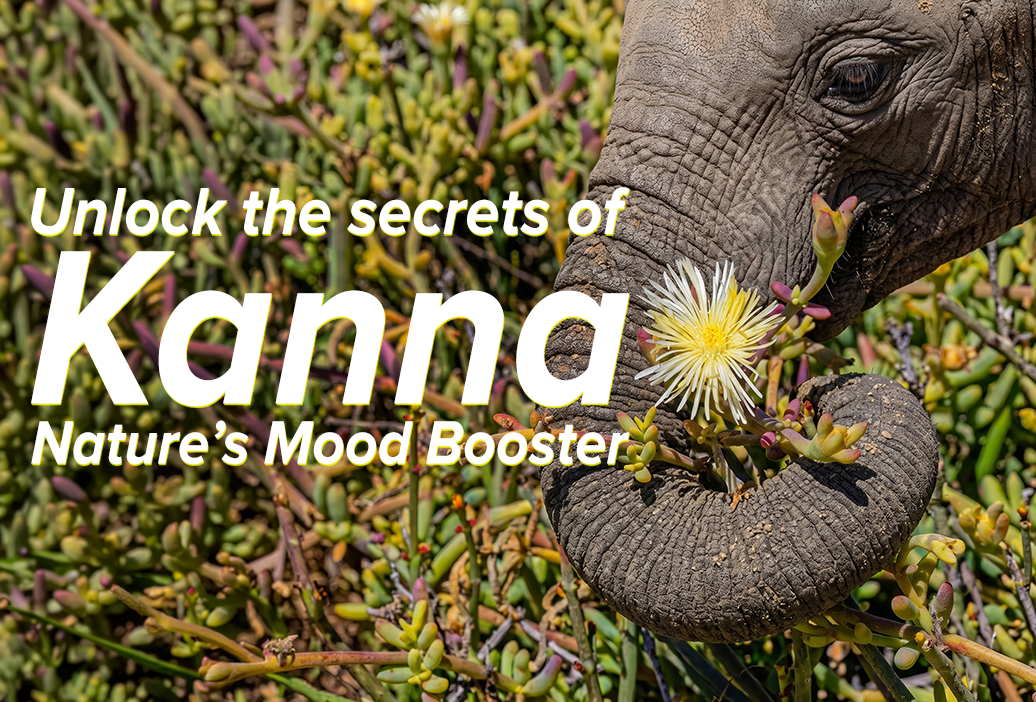
Unlock the Secrets of Kanna

New Player in the Game~ The History of Kanna
Where does Kanna come from? Kanna (Sceletium Tortuosum) is a low-growing succulent plant that is native to South Africa, growing naturally in the rigid regions where the Indigenous Khoisan communities dwell. Mature plants form a dense, sprawling succulent shrub and produce daisy-like flowers (generally white but also in hues of pale yellow, pink, and light purple) with many thin petals.
For centuries, the Khoisan communities have used Kanna and utilized its unique properties. Historically, this succulent was used for tension, social connection, human endurance, and relaxation (especially during long journeys or hunting escapades).
Traditionally, the harvesting process of the Kanna plant in was fairly hands-on and involved several stages:
- Cutting the Plant: Harvesters would gather mature Kanna plants by cutting or pulling the above-ground succulent materials from the soil.
2. Crushing/Bruising: The fresh leaves, stems, and branching growth is then crushed, pounded, or bruised
3. Fermentation ⭐️: This is one of the most distinctive parts of traditional Kanna preparation! The crushed plant material was packed tightly into handmade containers, bags, or pits. They’re then left in direct sunlight or warmer conditions to initiate the fermentation process for several days. The fermentation process was believed to reduce bitterness, improve its benefits, and make the Kanna easier to chew.
4. Drying: After the fermentation process is complete, the Kanna is spread out and left to dry in the sun rays.
Chewing the fermented Kanna and swallowing their juices was popular among indigenous Khoikhoi and Sans peoples of South Africa.
Traditional Uses of Kanna
The Kanna herb was originally used for a variety of reasons:
Reducing stress and tension
Promoting relaxation
Improving mood
Easing fear or emotional discomfort
Supporting social connection and dialogue
Assisting with endurance during long journeys or hunting trips
Reducing thirst and hunger during difficult conditions
Kanna also played an important role in communal gatherings and cultural practices. Ethnobotanical records (documented observations and studies of how different cultures use plants during their daily lives) suggest it was shared during social interactions, healing ceremonies, and rituals, where its mood-enhancing and winding down properties were highly valued. In fact, some historical accounts describe returning warriors taking Kanna to help overcome distress and reintegrate back into community life with their peers and family.
Kanna Effects
In modern wellness and supplement markets, ‘Kanna for mood support’ is most commonly associated with the following benefits:
Kanna Mood Benefits
This is the number one widely promoted use of Kanna in modern day society. Many users state this herb helps them shift into a more positive outlook during their day and remain emotionally balanced.
Kanna for Social Comfort
Kanna is also frequently discussed for its ability to promote feelings of ease in social situations, and many users report feeling more comfortable engaging in conversations, congregating at festivals and other social events, or connecting on a deeper level with others.
🎶 Kanna for Music and Sensory Appreciation
Modern Kanna users also report an enhanced appreciation of music and sensory experiences, such as the bass drops, vibrant lights, and meaningful lyrics. Kanna gummies and kanna beverages are especially common in this arena.
Kanna for Focus and Mental Clarity
Consumers have reported Kanna as a fantastic product for daytime use! Evidently, when taken in smaller doses the herb helps them stay engaged and mentally present.
This herb possesses a unique alkaloid profile, making it stand out amongst other botanicals, in addition to its long history of traditional use.
Kanna vs Kava
Is Kanna similar to Kava?
These two legendary plants are top players in the botanical game, and while both are strong in the relaxation field, the feelings they stir up still differ.
Kanna
Often described as uplifting and mood-enhancing
May support focus and sociability at lower doses
Lighter weight, more energizing feel
Kava
Often described as calming and relaxing
More commonly associated with physical relaxation
Typically heavier weight, more of a sedating feel
Kanna vs Kratom
They share the ‘K’ in their name but pivot in different directions with their benefits.
Kratom (Mitragyna speciosa) originates from Southeast Asia (with Thailand, Indonesia, and Malaysia as their key harvesting regions). It’s actually in the same family as the coffee plant – Rubiaceae.
Kanna
As mentioned earlier, Kanna is native to areas of South Africa. Often associated with mood support, relaxation, and sociability. Kanna mood support can be described as calming, bringing a gentle uplift in joy and positivity, and honing in focus with mental clarity.
Kratom
It is often associated with energy, focus, or relaxation. Many have reported mood boosts in their Kratom experience, as well. Dose size is everything. Kratom at low dosage is more of a stimulant and similar to a cup of coffee. Larger dose sizes bring about relaxation and act more like a sedative.
These two plants differ greatly in their cultural heritage, with Kanna deeply connected to South Africa’s indigenous Khoisan peoples – in their prominent hunter-gatherer lifestyles. The Kanna herb was deeply intertwined with survival, as well as community bonding, storytelling, and social interaction. It was also used in social and ceremonial contexts.
Kratom was traditionally used by farmers, fisherman, and manual laborers whose lives endured more physically-demanding tasks. The plant’s use was often practical and work-oriented rather than ceremonial. It was intended to combat fatigue, and in some communities Kratom also played a role in traditional medicine. Unlike Kanna, which is generally associated with relaxation and sociability, Kratom’s historical use was often tied to physical endurance and relief from discomfort.
⭐ None of these is better than the other as a whole. It simply comes down to what type of botanical experience you’re looking for.
Various Kanna Forms
Whether you’re a fan of the sweets or a quick Kanna supplement that can be washed down with a swig of water, Kanna comes in many forms that can fit your tastes and lifestyle.
Kanna Capsules- one of the most popular formats. Our Nine Mile Kanna Capsules contain premium Kanne extract and can simply be taken with water or a beverage of your choice.
Kanna Gummies – this form of Kanna is becoming more common with users and often combined with adaptogens and other nootropics such as Ashwagandha and L-theanine. Our 🍏 Green Apple WAVE Kanna Gummies supply 50mg of Kanna extract, crafted for the moments that pulse with energy. Their plump size makes them easy to cut and share (if you’re into that kind of thing!) Truly the best Kanna gummies for a bass drop!
Kanna Liquid Tinctures – this type is popular among those who appreciate flexible dosing and can be taken directly dropped onto the tongue 👅 or mixed into beverages.
Kanna Drink Mixes – simple enough! These powder sticks equipped with Kanna extract dissolve directly in water and are generally accompanied by fruity flavors, electrolytes, or nootropics. While Zion Herbals does not have Kanna Drink Mixes in our lineup just yet, our most popular-selling Kratom products are our KRATOMade Kratom Drink Mixes.
⭐️ This Kanna drink mix format is still relatively new but has significant growth potential.
Kanna Beverages – ready-to-drink! This array of sparkling waters, functional beverages, and relaxation drinks are crafted with Kanna extract with no prep work required.
⭐️ While Kanna drinks are less common than Kanna Capsules and Kanna Gummies, they are becoming more popular as the functional beverage market expands.