You are currently viewing What’s Inside Our Botanicals
What's Inside Our Botanicals Title

What’s Inside Our Botanicals

New to the botanical world of Kratom and Kava? While the two are both plants (and share a K in their names), that’s pretty much where the similarities stop. Both are incorporated into daily and nightly routines for very different (but very helpful) reasons.

🌳 Kratom (Mitragyna speciosa) trees of the coffee family thrive in the tropical climates of Southeast Asia, primarily in:
🟢  Thailand
🔵  Malaysia
🟣  Indonesia
🟢  Myanmar (Burma)
🔵  Papua New Guinea

Traditionally, the leaves were harvested and then chewed raw or brewed into tea. For centuries, this assisted laborers with stamina and boosting energy.

🫚 Kava (Piper methysticum) stems from the pepper family, and their shrubs are native to the South Pacific Islands:
🔴  Fiji
🟠  Vanuatu
🟤  Samoa
🔴  Hawaii

The roots are the key part of the Kava plant. They are harvested, broken down (by chewing, crushing, or grating), mixed with water, strained, and then served amongst the community in coconut shells. The beverage is consumed during ceremonial and social rituals, community bonding, welcoming guests, and conflict resolution. Depending on the culture, certain etiquette and chants come into play.

Kava brings about a sense of connection, and its active compounds promote relaxation and sometimes bring about mild euphoria.

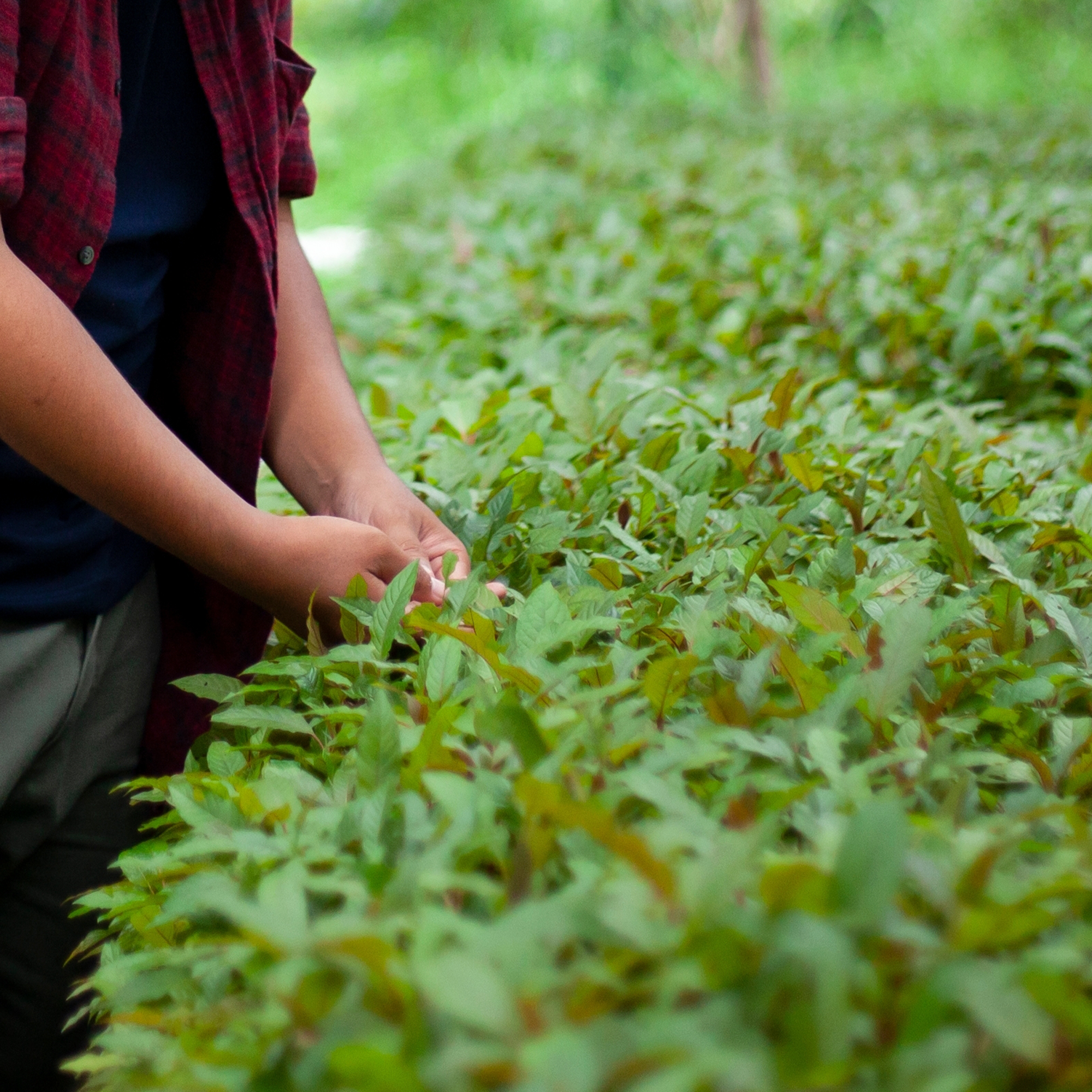
Harvesting Kratom Leaves
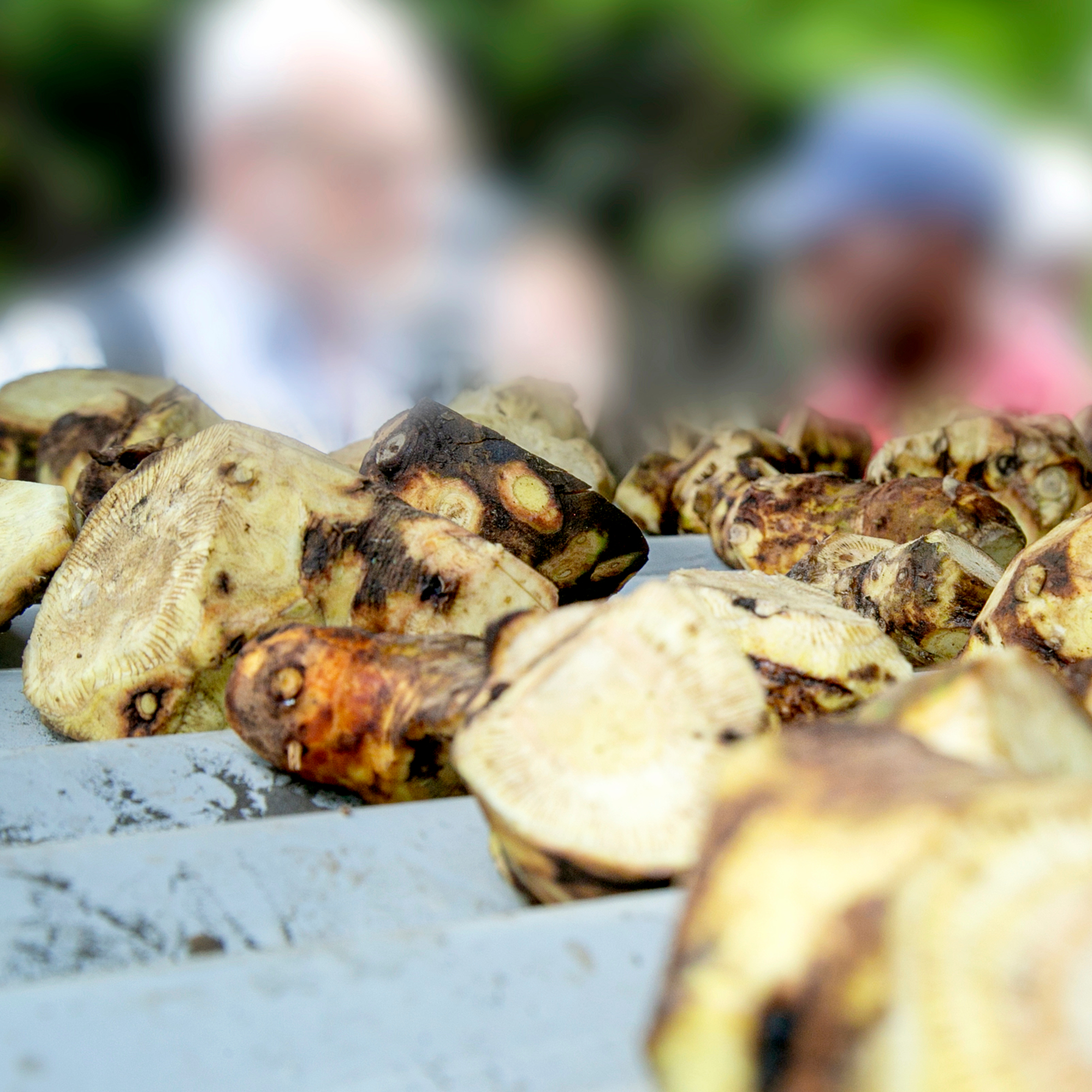
Kava Root Cool Perspective

In the modern age, Kratom and Kava are still plentiful in their simple crushed leaf and crushed root forms. That being said, technology has also given these botanicals a chance to shine in other forms along with a boost in convenience and flavor.

Kratom leaves have a naturally bitter flavor. Many people like the bite, but others find it a bit hard to stomach, and find the experience a bit rough to get through. Toss and wash is a common method with Kratom Powder. Simply put the powder directly into your mouth, and wash it down with water or juice.

Kava, being from the pepper family, boasts more of a peppery earthy flavor. Again, there are many palettes out there that would savor this, but others would opt for masking the intensity with flavors of fruit juice or milk.

We reach the 1990’s. Kava capsules and tablets reach the U.S market, making Kava ingestion much simpler (with no odd flavors). The 2000’s brought about some non-traditional extracts, and finally the 2010’s saw a return of traditional style Instant Kava, Micronized Kava, Kava Liquid Extract Tinctures, and Kava Drinks. This also saw the rise of Kava bars where friend groups could bond over an alcohol-free night out and embrace a unique buzz (with no impairment).

Kratom extracts came into the spotlight in the 2000’s, which changed the game. Kratom Capsules and Kratom Tablets made the routine much easier (with no odd flavors). And as the years progressed, Liquid Extracts, Gummies, Drinks, and Drink Mixes made Kratom more accessible to those looking to try Kratom and actually savor the flavor.

With all of these new forms available, it’s no surprise that safety became a top concern when comparing a product’s sourcing and testing standards.

Capsules, Tablets, and Powders

Currently, there is no FDA-approved standard for Kratom. However, Zion Herbals is a Good Manufacturing Practice (GMP certified) brand. We follow guidelines to ensure our selection of Kratom is produced safely and each batch of product goes through rigorous, independent third-party lab testing. This tests for safety, potency, purity, and presence of contaminates (such as heavy metals, yeast, and alkaloids).

The American Kratom Association – a GMP Program – is the industry benchmark. It sets these Good Manufacturing Practices and is the most recognized Kratom standard in the United States.

GMP Certified Practice

The testing standards for Kava are more established than Kratom. Quality is tied closely to the shrub’s age (often 3-5+ years), noble vs non-noble, and the plant part used (root vs stem/leaf).

Quality sourcing is key.

High quality sourcing focuses on noble Kava varieties, root-only material, the extraction method (water-based), and locationlocationlocation – traditional growing regions only.

Common tests include:

Kavalactone profile (chemotype analysis). Kavalactones are the active compounds in kava root, and they’re responsible for the plant’s relaxing (and sometimes euphoric) effects.

Heavy Metals
Microbial Contamination
Pesticides
And Moisture Content

The FDA is involved with Kava in a limited, indirect role. It oversees Kava sold in the U.S as a dietary supplement. It has the ability to take charge if a product is mislabeled, unsafe, or misbranded, but quality control is mostly industry-driven.

We at Zion Herbals follow GMP for our kava batches, as well, using sustainable sourcing, third-party testing on all kava batches, and noble kava varieties only.

🌟 December 2025: The FDA officially confirmed Kava is a conventional food under federal law and is now in General Recognized as Safe (GRAS) status.

For Pacific Island communities, including Native Hawaiians whose cultural practices, ceremonies, and community life have been intertwined with kava for generations, the people of American Samoa, and the many Fijian, Tongan, and other Pacific Islander families throughout the United States, this acknowledgment carries profound significance. It affirms the deep cultural legacy of kava, strengthens recognition of Pacific Islander heritage in the United States, and honors a cultural food that is now finding an increasingly meaningful place in modern American life.”
– International Kava Organization

(Read More at: https://www.clarionledger.com/press-release/story/97438/fda-officially-confirms-kava-is-a-food-under-federal-law/ )

It’s a lot to take in – we know!

If you have any questions about our products and practices, please do not hesitate to reach out.

Kava Celebration